Business continuity
Registration, care and pharmacy services stay available, predictable and recoverable — front desks and clinical work never stall.
Healthcare informatization · Unified observability & intelligent operations
For national and local health authorities, health commissions and top-tier hospital IT teams. Function positioning and governance outcomes only — business continuity, cross-institution situational awareness, accountability and open evolution — never tied to a single vendor.
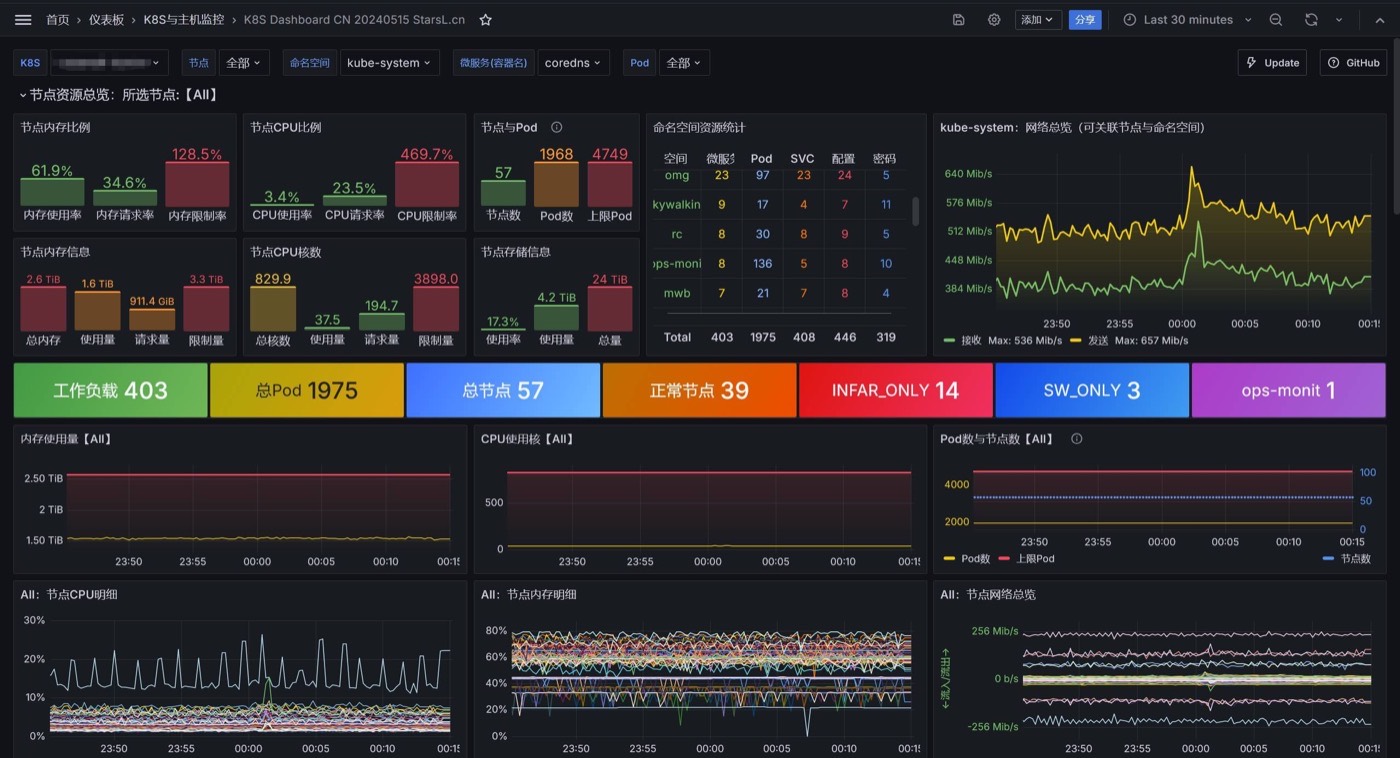

Registration, care and pharmacy services stay available, predictable and recoverable — front desks and clinical work never stall.
Hospitals, regional platforms and public-health links on one screen; local vs regional events clearly distinguished.
Alerts, dispatch, handling and reviews leave full audit trails supporting commission evaluations and internal improvement.
Open protocols and smooth evolution — no rip-and-replace when tools change.
The governance challenge
Hospital systems, regional platforms, public-health services and internet healthcare run in parallel. For authorities the question is no longer "is there a system" but: can impact be judged immediately, can closed-loop handling be proven, and can cross-institution coordination and emergency command be supported?
Observable operations turn scattered runtime signals into governable management capability — moving from passive firefighting to proactive alerting and continuous improvement.
When registration, care, pharmacy, public-health or emergency systems break, public services and public perception suffer — minute-level detection and tiered response are required.
Hospitals, regional platforms and grassroots facilities monitor separately; without a unified view authorities struggle to tell a local fault from a regional event.
Too many alerts, scattered tickets and verbal updates make timelines impossible to reconstruct later — hurting improvement and evaluation.
Function positioning
Organized as sense → aggregate → analyze → handle → improve, so decision-makers can understand and accept it. Acceptance looks at capabilities and outcomes, not product-name checklists.
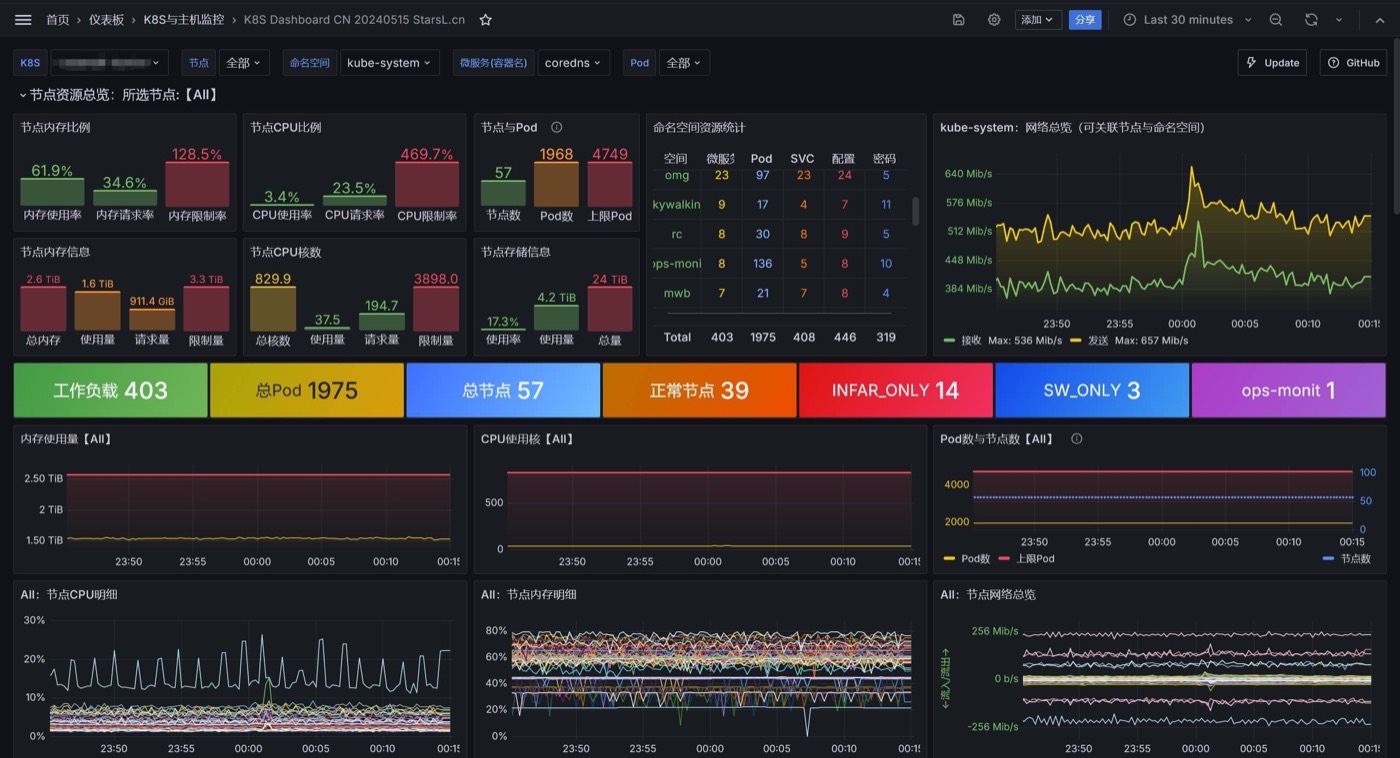
Illustrative duty-and-analysis view after signal aggregation (capability demo, not a specific product UI)
A unified cockpit for duty rooms and leadership: key-service health, regional event posture, capacity and risk trends.
Turning noise into actionable events: dedupe, converge, escalate, dispatch and review — detect-respond-close.
Historical and real-time data for root-cause analysis, capacity assessment and change-risk judgment serving planning and investment decisions.
Metrics, logs and traces governed separately; necessary history retained for audits and cross-system comparison.
Unified collection across hosts, networks, middleware and key apps using open standard protocols to avoid vendor lock-in.
Data dimensions
Is the system healthy now? Are trends worsening?
Quantified health and resource metrics support daily duty and capacity planning — beyond gut feelings.
What just happened? Who changed what?
Key operations and anomaly records retained for troubleshooting, security audits and accountability.
Which segment is slow? Which services are affected?
Cross-system calls drawn as visible paths shorten diagnosis and end cross-department guessing.
Scenario value
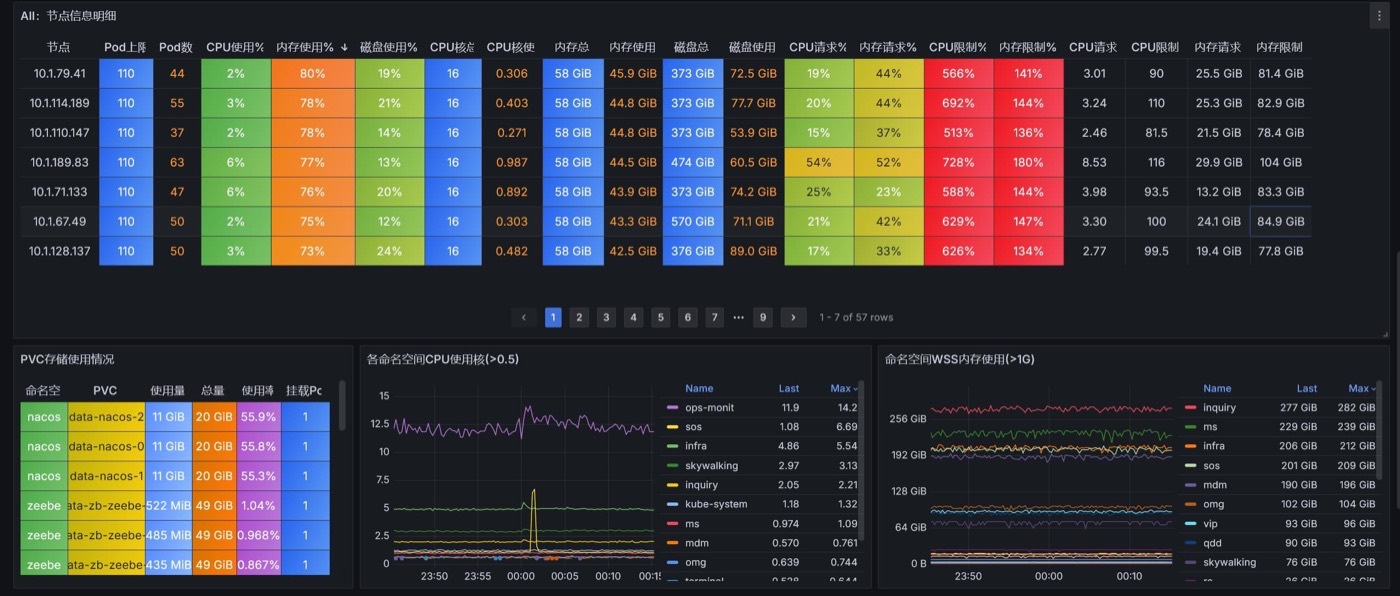
Authorities need one regional operations picture — not each hospital reporting "all fine" separately.

Continuity for front-desk, clinical and medical-tech systems — early detection, fast localization, recoverability — serving hospital duty and IT-department KPIs.
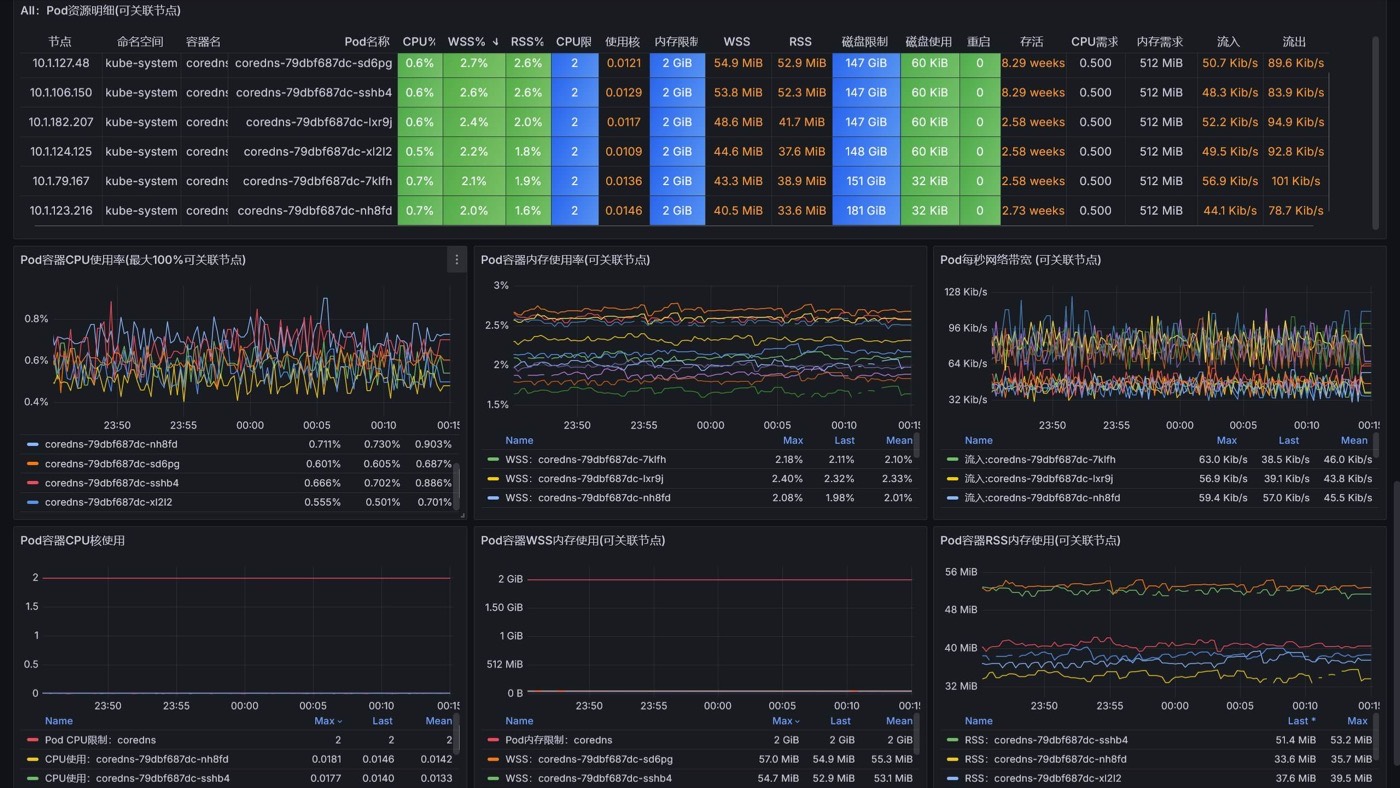
In public-health emergencies or major-task periods, IT operational status becomes an input to command decisions.
Implementation path
Aligned with authority planning rhythms: map assets and critical paths first, unify the foundation next, then move to intelligent operations.
Sort out institutions, systems, dependencies and responsibility boundaries; define the must-keep-alive list and observation scope.
Onboard metrics, logs and traces via open standards into an extensible data foundation — connect first, optimize later.
Establish alert-dispatch-review mechanisms and provide authority-readable posture and briefing views.
After data quality stabilizes, add correlation analysis and capacity assessment for planning decisions and evaluations.
Principles
Align with what authorities care about — continuity, situation, responsibility, compliance; technical detail serves management goals.
Acceptance by capability and outcome, no single-product lock-in — lowering long-term switching costs.
Industry-standard open protocols for collection and interconnect protect investments and allow phased expansion.
Tiered permissions, operation trails and graded data retention meet healthcare governance and audit requirements.
Next step
A focused exchange on regional health IT operations, core-business assurance for top hospitals and emergency duty readiness — producing a capability blueprint and phasing advice that connects with existing plans. Management questions first.